Place called Home
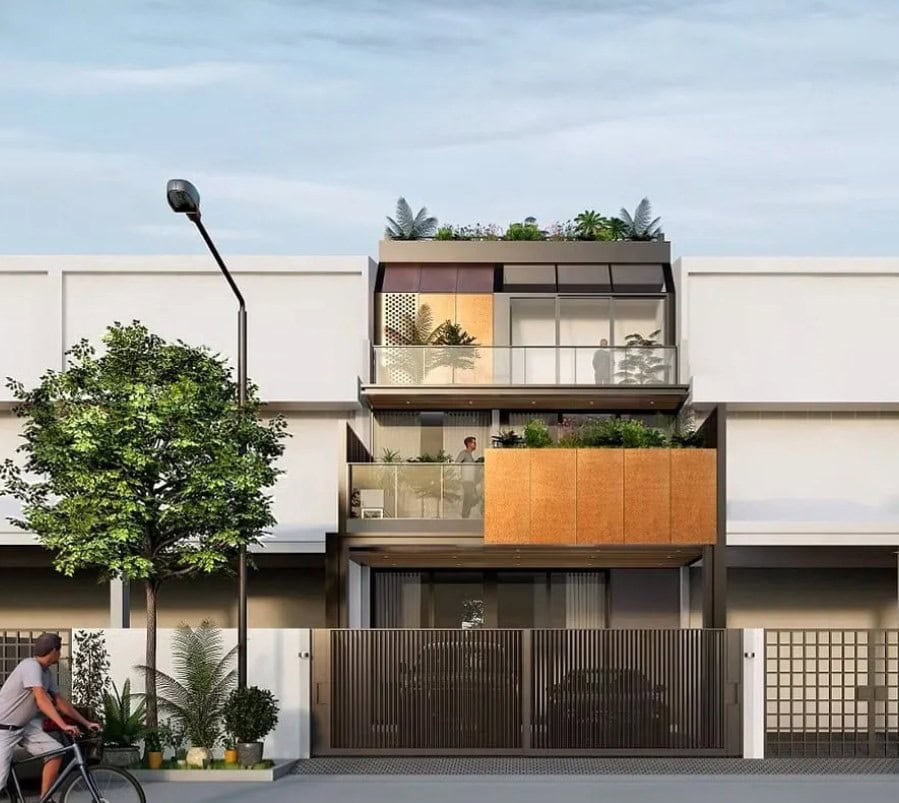
At Toh Guan, Y2G designed living quarters shaped by the people who would live in them, down to the bed each resident sleeps in.
The challenge
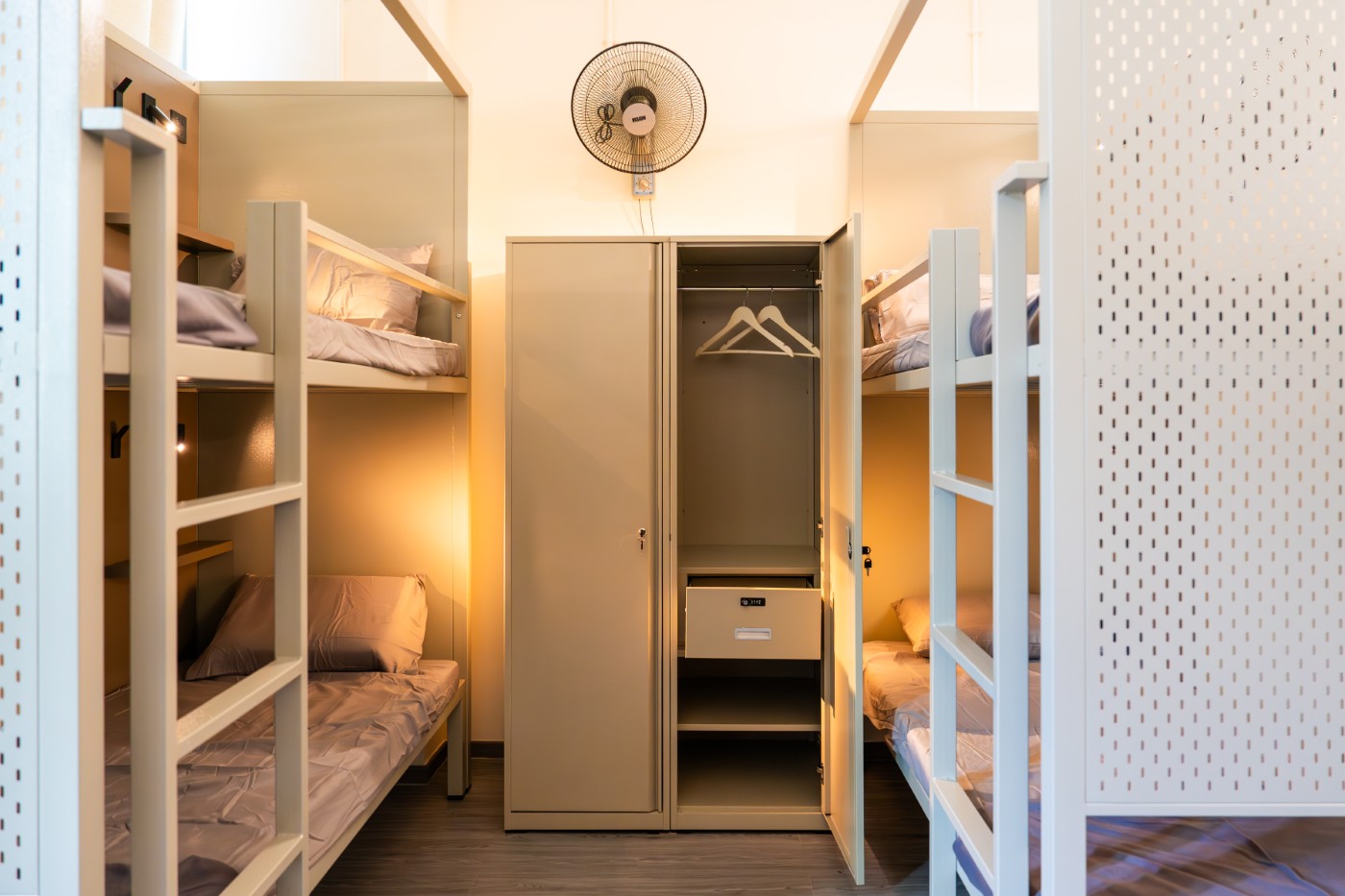
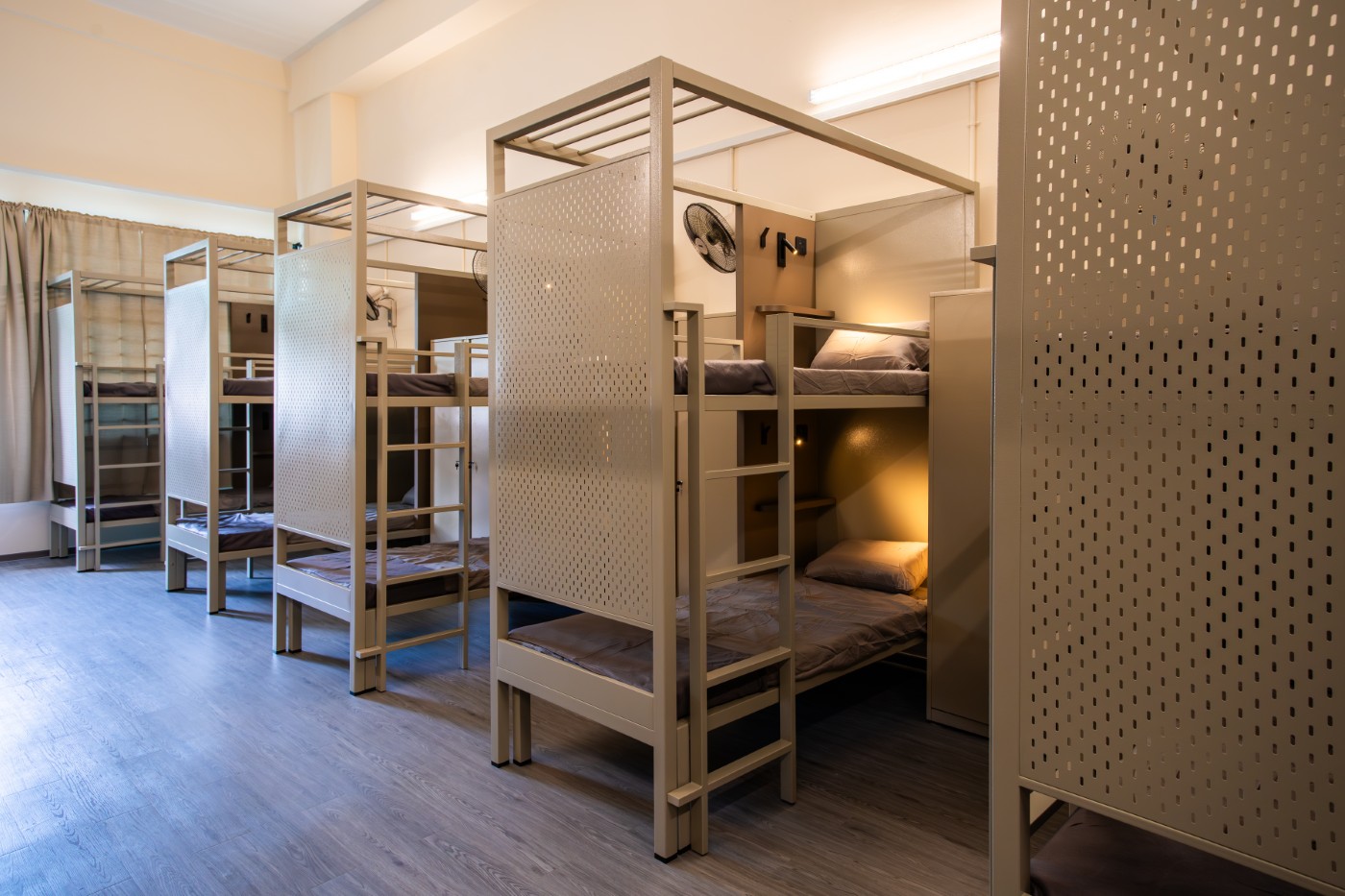
The bunk bed sits at the heart of dormitory life, so it had to work hard. It needed to be durable and sustainable, yet simple to assemble and take apart when rooms are reconfigured or beds need to be moved.
Y2G developed a bunk bed typology with a clear 14-step disassembly sequence, making future relocation straightforward.
The approach
Rather than designing from assumption, Y2G asked residents directly. A questionnaire was issued to hundreds of workers to understand their daily living needs, and they were invited to vote between two design schemes.
The team also worked closely with the operators to ensure the design would be easy to maintain over time.
The design
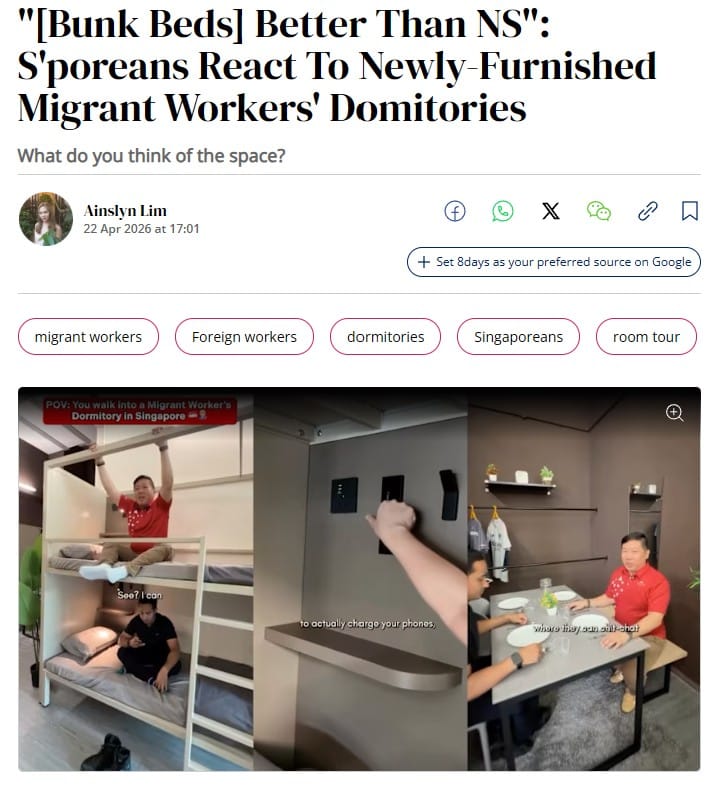
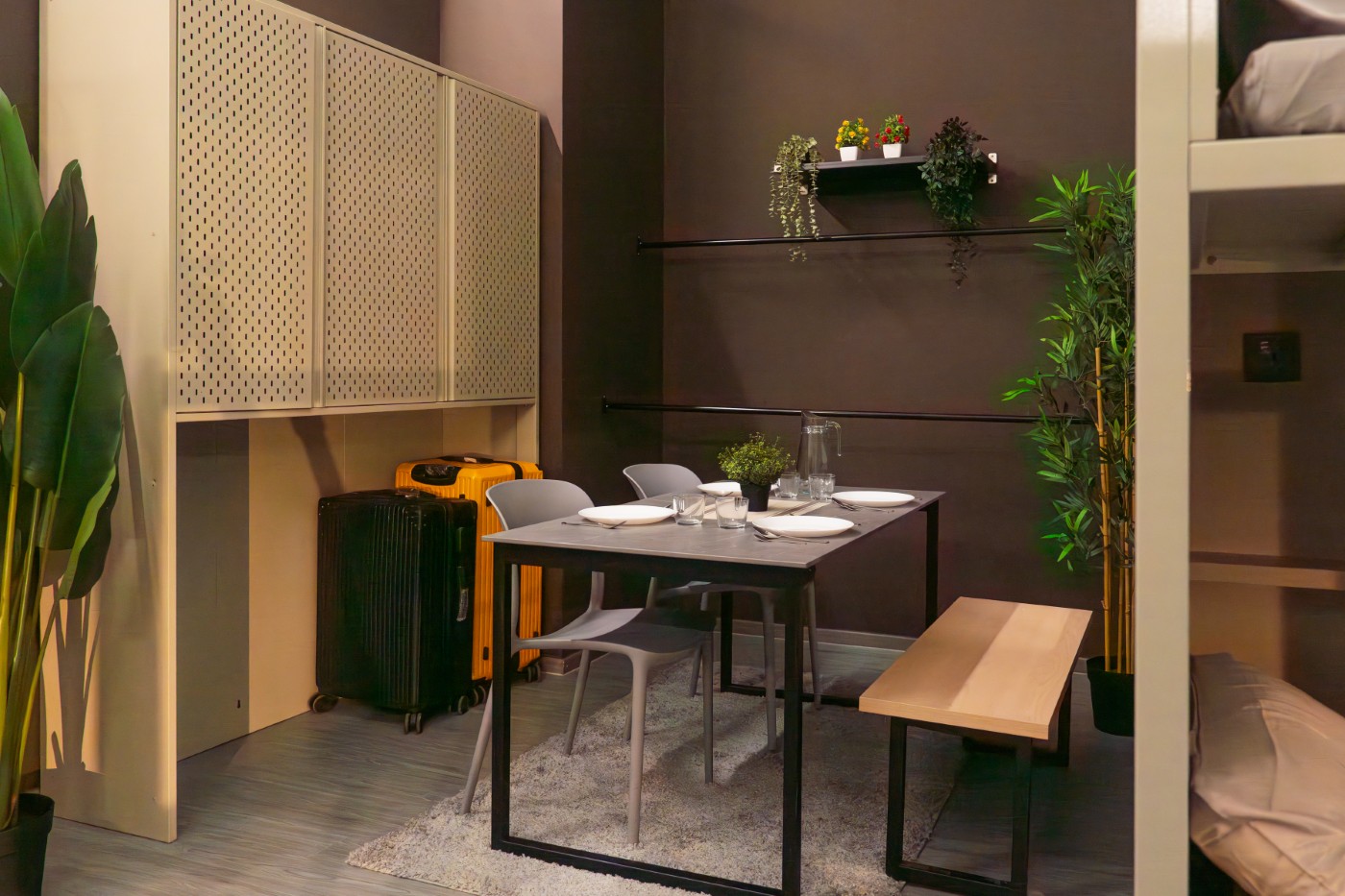
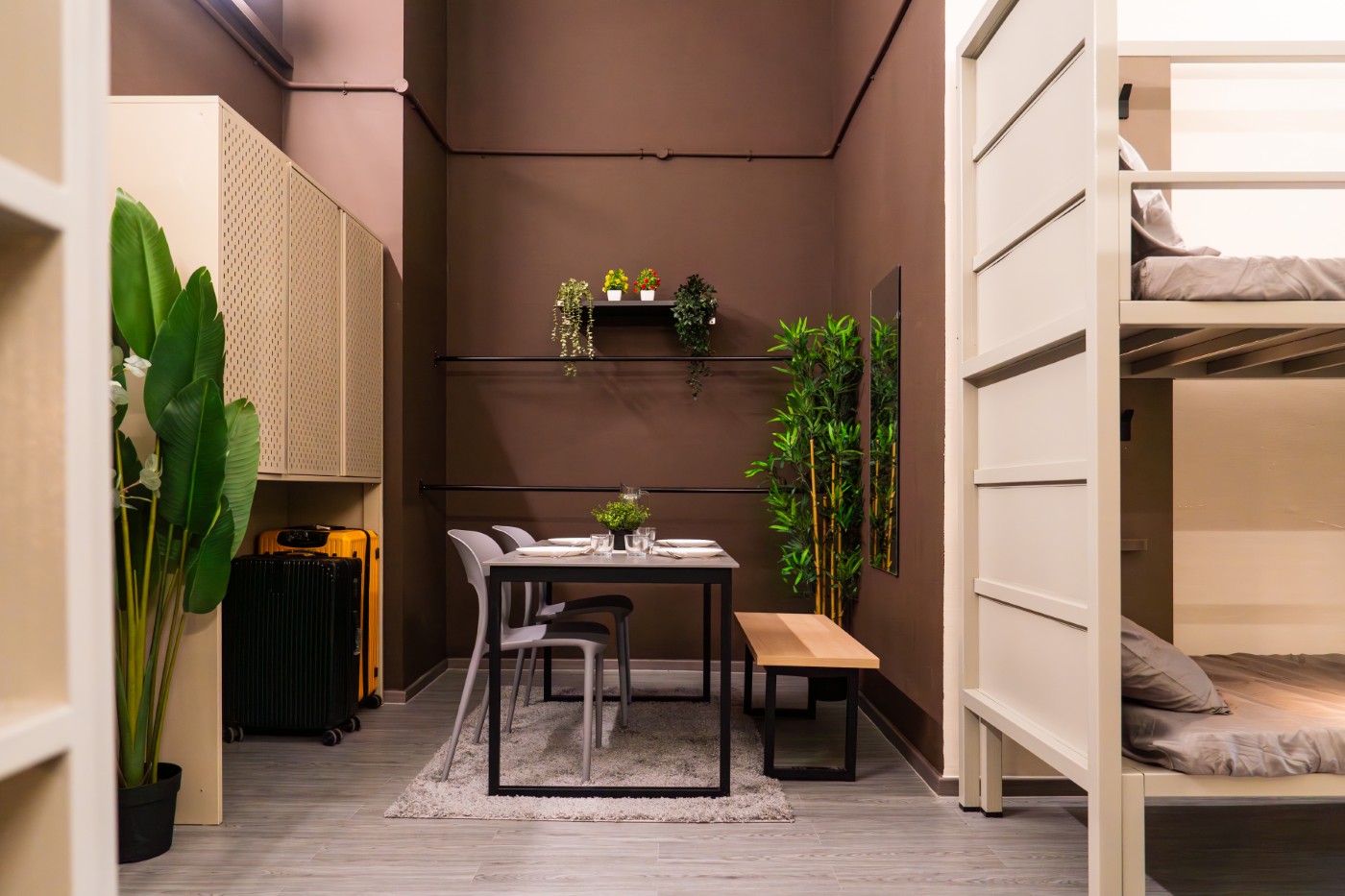
At the centre of the shared space is the Social Table, a large dining table with chairs and benches. Residents gather here to eat, chat, rest or take on any activity they like.
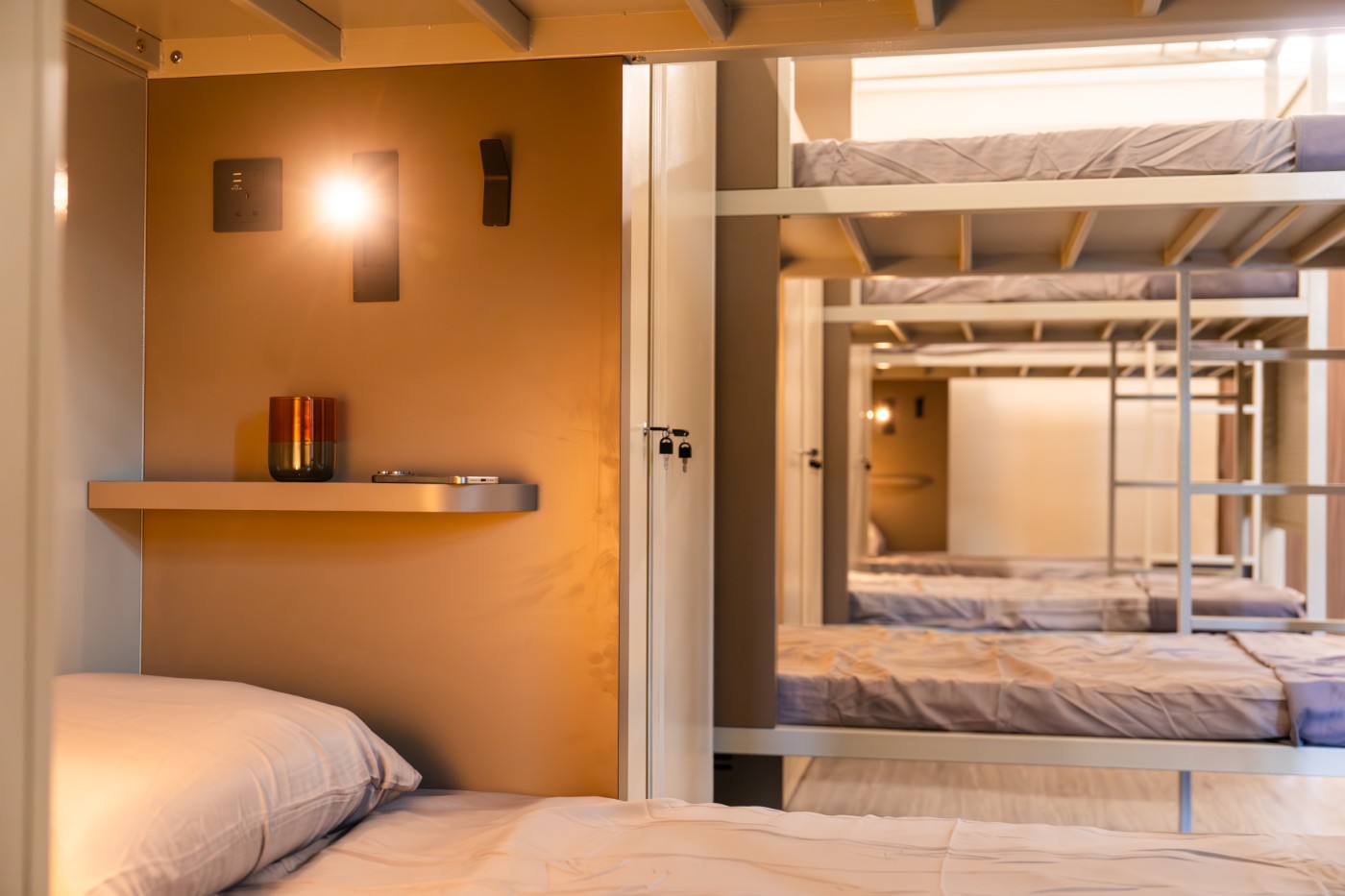
The bunk bed is a detachable upper and lower structure system so the different living life style wont affect other residents. Each bed comes with integrated lighting, a power point and a ledge for personal items. At the foot of the bed, a perforated panel offers privacy while giving residents a place to hang their belongings, leaving room for each person to make the space their own.it is a little cocoon for each residents indeed.
The result is a home designed with its residents in mind.
“[Bunk Beds] Better Than NS”: S’poreans React To Newly-Furnished Migrant Workers’ Domitories
|